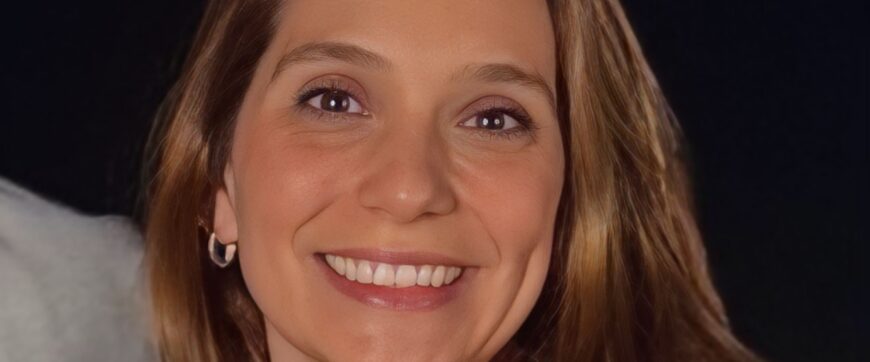
My journey with cystic fibrosis (CF) has been long and, at times, uncertain. When I was five, I started having recurrent lung problems. My childhood in Chile was shaped by hospitalizations, procedures, and treatments, along with my parents’ constant worry. There were years when being sick felt like part of everyday life. As a teenager, the social side became another challenge. I had a chronic cough and frequent episodes, and that exposed me to teasing and embarrassment in public spaces. For a period of time, I preferred staying home or avoiding situations because I was afraid of coughing in front of others and hearing jokes about it.
When I was 16, in 2001, I was diagnosed with CF. At that time, many things were explained with less precision than they are today, and the outlook was not encouraging. My parents were devastated, because life expectancy back then was much lower. What changed my direction was seeking a second opinion with a specialist who explained something essential: there are many CF mutations, and not all of them were detected with the tests available at that time. Later, I was able to do more complete genetic testing. It did not give a perfectly exact answer, but it helped rule out more severe mutations, and it significantly reduced the fear we had lived with for years. Over time, I learned that my resilience did not come from simply “enduring.” It came from getting organized: stable habits, exercise, nutrition, mental health support, and consistent medical follow-up.
As an adult, I moved to California because of my husband’s job, and my arrival coincided with the pandemic. While here, I developed a Pseudomonas infection during my pregnancy, and that truly scared me. It was at this moment that I knew I needed to revisit my CF care, receive an updated evaluation in my new home country, and understand my mutation better.
The hardest part was starting from zero, without a network, and with a language barrier. When I arrived, I did not speak English. Even though my husband supported me, we did not know how to navigate insurance, referrals, specialized centers, or how to understand which tests were needed. In addition, my first evaluation here was with a physician who was not a CF specialist. I was not referred to a CF-experienced center, and during that process my historical test results and imaging from Chile were no longer available. That was very frustrating, because for a chronic condition, medical history is essential for good decisions. That experience made one thing clear: I needed specialized care, and I needed to rebuild my medical record in an organized way.
Today, after years of uncertainty, the evaluation process in the US brought a partial answer: genetic testing confirmed that I am a carrier of a single mutated CFTR allele, meaning I do not have CF. However, that answer came with new questions that remain unanswered. No one has been fully able to explain why I have had lung problems since childhood, why I developed a Pseudomonas infection, or why my father experienced pancreatitis with no apparent cause, or why my brother developed diabetes at 20 and suffered an intestinal blood clot that nearly caused necrosis. In Chile, doctors always linked all of this to CF. Today, that connection is uncertain, and questions remain open. For me, continuing to search for answers is not just something personal, it is one more reason to stay active in this community and in research.
CFRI has been an important part of that path. Beyond the website resources, the most valuable support for me has been human connection. CFRI listened to my case and helped me take a concrete next step. When you are navigating a new country, a new language, and a complex medical history all at once, knowing there is someone who will listen and point you in the right direction is not a small thing.
By: Catalina Calderón Diaz