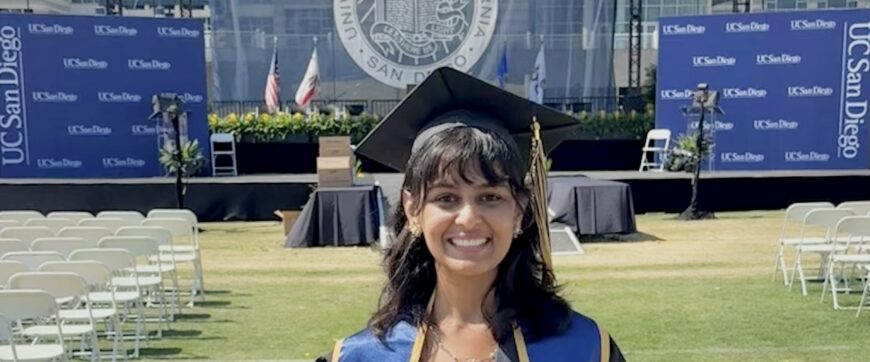
When people hear that I graduated from UC San Diego, they often see the degree as proof that I pushed through. I did work hard, but “pushing through” is not the whole story. I graduated because, at crucial moments, I was not expected to push through alone. The Office for Students with Disabilities helped make my education accessible when cystic fibrosis repeatedly made ordinary college life impossible.
Almost every other quarter at UCSD, I was hospitalized or facing a serious disruption to my health. A syllabus could tell me when an exam would happen, but my lungs did not follow that schedule. I could begin a quarter feeling stable and find myself in a hospital room weeks later, watching lectures accumulate while treatments consumed my days. The hardest part was not always missing class. It was the fear that one medical crisis could erase months of effort.
That is where accommodations mattered. They did not remove the rigor of my courses or protect me from every consequence of being ill. Instead, they created enough room for my academic record to reflect what I knew and how hard I had worked, rather than simply reflecting when I became sick. The OSD helped translate a complicated medical reality into support that the university could recognize and act upon. For me, that distinction changed everything.
It also reduced a burden that many students with invisible illnesses know well: having to explain yourself while you are already unwell. During a flare or hospitalization, even writing an email can require energy you do not have. It is painful to repeatedly disclose private details in hopes that someone will believe you. Having an established accommodations process meant I was not beginning from zero each time my health changed. There was already a record, a structure, and an office prepared to help.
My experience taught me that access does not end at the classroom door. Campus housing needed to be a place where I could complete treatments, rest, and recover. Having a single room and fewer people sharing my apartment gave me privacy and reduced my exposure to infections, an important concern when cystic fibrosis made my lungs vulnerable. When I encountered mold or concerns about my living environment, they were taken seriously. That was not simply a convenience. For someone with chronic lung disease, safe housing is part of remaining healthy enough to be a student.
One of the most useful things I learned is that students should not wait for a crisis before contacting their disability or accessibility office. I understand why many do. Asking for accommodations can feel like admitting that you cannot handle college, particularly when you have spent years minimizing symptoms or trying not to appear “difficult.” Yet the best time to build support is before you urgently need it. A plan made while you are stable can protect you when you no longer have the strength to negotiate.
It also helps to describe how your condition affects your education, not only to provide the name of a diagnosis. A disability office may know what cystic fibrosis is without knowing what it means in your particular life. Explain what happens when symptoms worsen, how treatment demands affect your time, and which barriers make it difficult to participate. Accommodations are most effective when they respond to the actual impact of an illness, which may change over time. Returning to the office when your needs change is part of the process, not evidence that you asked incorrectly the first time.
Still, access should not depend entirely on how well a sick student can advocate. Colleges must create systems that are clear, responsive, and consistent. An approved accommodation means little if a student has to fight for its implementation in every course. Faculty and housing staff need to understand that flexibility is not lowered accountability and urgency is not special treatment. Students with chronic illnesses are already doing the work of managing their health alongside their education. They should not also have to manage an institution’s willingness to include them.
I am proud of the persistence that carried me through UCSD, but I am equally aware that persistence needs somewhere to land. The OSD gave mine a place to matter. Its support allowed me to return after hospitalizations, continue learning, and eventually graduate without pretending that cystic fibrosis had disappeared.
Postsecondary institutions often speak about resilience, but resilience should never become an excuse for inaccessible systems. Students should not have to become dangerously ill, fall behind, or consider leaving school before their needs are taken seriously. Meaningful accommodations allow us to protect our health without surrendering our goals. My degree has my name on it, but behind it is a lesson every college should understand: access does not diminish achievement. Access is what makes achievement possible.
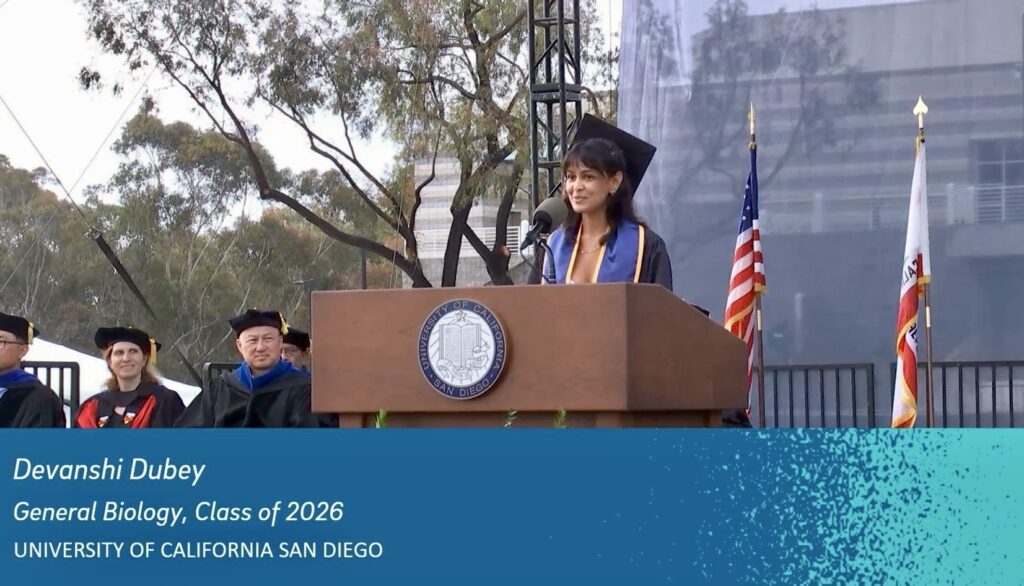
By: Devanshi Dubey